
- Home
- Financing
Plan the project, then the funding
Home Improvement Financing
A clear guide to home improvement financing: the common ways homeowners fund a project, and how a fixed, line-item proposal makes every option easier.
Good to know
Ocean Seven Builders is a contractor, not a lender. Loans, rates, terms and approvals come from your lender. This page is general information, not financial advice.
Ocean Seven project
Ways to pay
Six common ways homeowners fund a project.
Every household is different. These are the options most people discuss with their lender or financial advisor.
Savings
Paying from savings avoids interest and approval steps.
Often used for: smaller remodels, roof repairs, phased work
Keep in mind: keep an emergency reserve; projects can uncover surprises.
Home equity line of credit
A revolving line secured by your home, drawn as you need it.
Often used for: projects paid in stages over several months
Keep in mind: rates are often variable, and your home secures the line.
Home equity loan
A one-time lump sum secured by your home equity.
Often used for: a fixed project scope with a known total
Keep in mind: you repay on a set schedule from day one.
Cash-out refinance
Replacing your mortgage with a larger one and taking the difference.
Often used for: large projects such as additions or rebuilds
Keep in mind: it changes your whole mortgage, not just the project.
Renovation mortgage
Loans that consider the home’s value after the work.
Often used for: buying or rebuilding a home that needs major work
Keep in mind: lenders usually require detailed plans and a contractor proposal.
Personal loan
An unsecured loan based on your credit.
Often used for: smaller projects or quick starts
Keep in mind: amounts are usually lower and rates often higher.
Damage from fire, storms or leaks? Homeowners insurance may cover part of the repair. Our line-item proposals help you and your adjuster compare scopes item by item.
Why the proposal matters
Lenders like clear numbers. So do you.
Whatever funding you choose, it starts with a reliable project cost. Our fixed, line-item proposal lists labor, materials and allowances separately, with a timeline and milestones.
- Share it with your lender or appraiser
- Compare options side by side before you commit
- See exactly what an allowance covers
- Plan payments around real milestones
Project proposal
Sample layout
Demolition and site protection
Framing and structural work
Plumbing and electrical rough-in
Permits and inspections
Tile and fixtures (your selection)
Cabinets and countertops
Timeline, milestones and payment schedule follow on the next page.
California law
The most a contractor may ask as a down payment on a home improvement contract, whichever is less.
Your deposit is protected
California limits home improvement down payments, and progress payments should not get ahead of the work that has been completed. We follow these rules on every contract, so you only pay for work as it happens. Learn more from the Contractors State License Board.
Phasing
Spread the work, spread the cost.
A larger plan can often be built in stages. Each phase is designed to fit the next, so nothing is torn out twice.
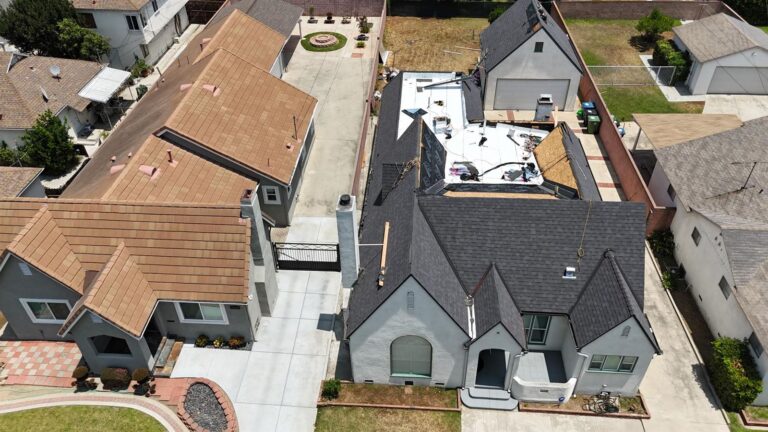
Phase 1
Protect the house
Start with what keeps water out: a new roof, drainage or structural repairs.

Phase 2
The room you use most
Next, the kitchen or the primary bathroom, planned around the finished layout.

Phase 3
Add space
Finally, an addition or second story, with plumbing and structure prepared earlier.
Photos show Ocean Seven projects; the phase order is an example and depends on your home.
Before you borrow
Questions to ask your lender
- Is the rate fixed or variable?
- Are there fees, points or closing costs?
- How are funds paid out during the project?
- Is an appraisal or inspection required?
- Can I repay early without a penalty?
- What documents do you need from my contractor?
Getting started
Four steps to a funded project
Call or send the form
Tell us about the project and your timing.
Walkthrough at your home
We measure, listen and look at the conditions.
Fixed, line-item proposal
Share it with your lender or adviser.
Schedule the work
Once funding is in place, we set the start date.
Where we work
Service areas across Los Angeles & beyond.
As a Los Angeles general contractor based in Van Nuys, we serve homeowners across Los Angeles County, Orange County, San Bernardino County and Marin County.
Los Angeles County
- Agoura Hills
- Alhambra
- Altadena
- Arleta
- Bel Air
- Beverly Glen
- Beverly Hills
- Brentwood
- Burbank
- Calabasas
- Canoga Park
- Cerritos
- Eagle Rock
- Encino
- Glendale
- Hawthorne
- Hidden Hills
- Highland Park
- Hollywood
- La Cañada Flintridge
- Lake Balboa
- Lakewood
- Malibu
- Manhattan Beach
- Marina del Rey
- Mission Hills
- Monrovia
- Newhall
- North Hollywood
- Panorama City
- Pasadena
- Redondo Beach
- Reseda
- San Gabriel
- Santa Monica
- Sherman Oaks
- Sierra Madre
- South Pasadena
- Studio City
- Tarzana
- Valley Glen
- Valley Village
- Van Nuys
- Venice
- West Hollywood
- Winnetka
- Woodland Hills
Orange County
San Bernardino County
Marin County
Ventura County
Riverside County
One office, not a network of branches. Everything runs out of 15155 Stagg St Unit # 2, Van Nuys, CA 91405. These are the areas our crews travel to; there is no branch office in any of them.
Homeowner guides
From the Ocean Seven blog.
Practical guides from a Los Angeles general contractor on roofing, additions, kitchens and permits, so you can plan your project with confidence.
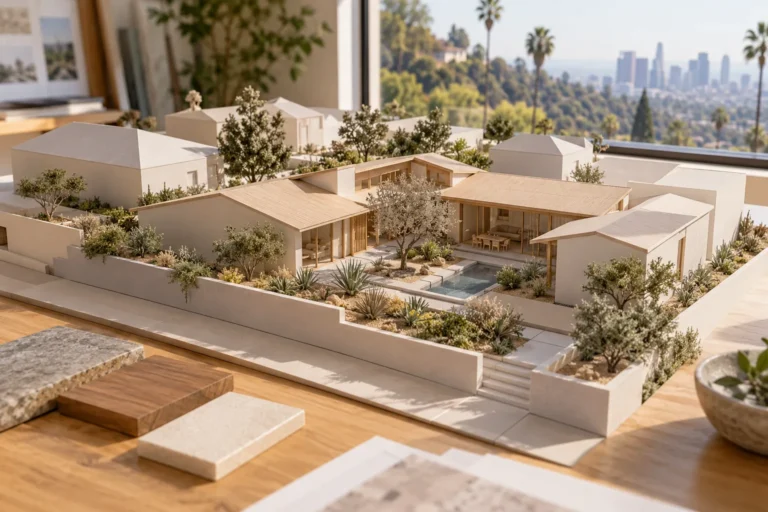
New Construction Guides
November 15, 2026

Room Addition Guides
November 13, 2026
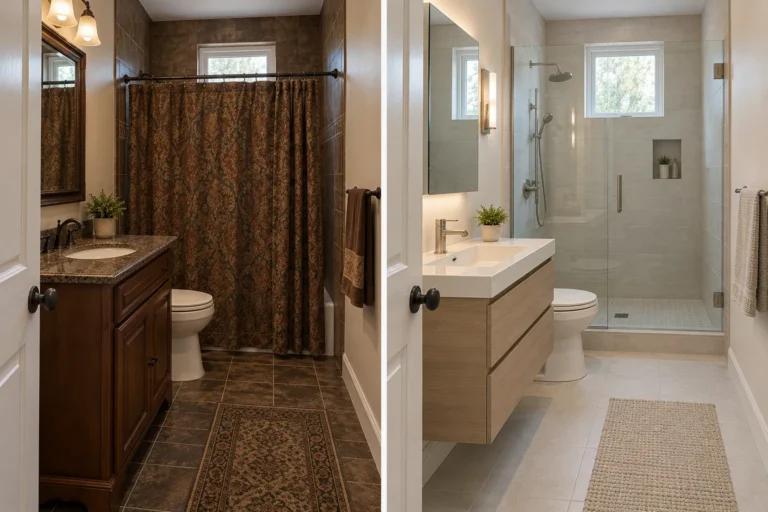
Bathroom Remodeling Guides
November 12, 2026
Start your project
Talk with a Los Angeles general contractor.
Tell us roughly what you have in mind. Then we will come out, measure, listen and send a fixed line-item proposal, free and with no pressure attached.
Phone
Office
Ocean Seven Builders, Inc.
15155 Stagg St Unit # 2
Van Nuys, CA 91405
Get directions
Hours
Monday–Friday 7:00am–7:00pm
Saturday 8:00am–4:00pm · Sunday closed
License
CSLB #893048 · B-General · C-39 Roofing
Licensed, bonded & insured
Request a consultation
Six quick fields. A sentence or two about the project is plenty.